
Residential construction is the process of building homes for individuals and families. It includes everything from small single-family houses to large villas and housing communities. Building a home is one of the biggest investments people make, so understanding how residential construction works is very important.
This guide will help you understand the main steps, costs, materials, and things you should consider before starting your home construction project.
What Is Residential Construction?
Residential construction focuses on building living spaces. These can include:
- Single-family homes
- Duplexes and townhouses
- Apartments and flats
- Villas and bungalows
The goal is to create safe, comfortable, and durable homes that meet the needs of families. Each project is planned based on the owner’s budget, location, and lifestyle.
Planning Your Residential Construction Project
Strong planning is the key to building a successful home. Before construction begins, you need to:
- Decide your budget
Know how much you can spend. This includes land cost, construction, design, permits, and finishing. - Choose the right location
The location affects cost, design, and future value. Consider access to schools, hospitals, roads, and markets. - Finalize your design
Work with an architect or designer to create a layout that fits your needs. Think about room sizes, ventilation, lighting, and future expansion. - Get approvals and permits
Local authorities require building permits. This ensures your house follows safety and building rules.
Key Steps in Residential Construction
Residential construction follows a clear process:
1. Site Preparation
The land is cleaned and leveled. Soil testing is done to check strength. Temporary utilities may be arranged.
2. Foundation Work
The foundation supports the whole house. It can be slab, crawl space, or basement type, depending on soil and design.
3. Structural Work
Walls, columns, beams, and roof structure are built. This stage forms the main shape of the house.
4. Roofing
Roofing protects the home from weather. Materials may include tiles, metal sheets, or concrete slabs.
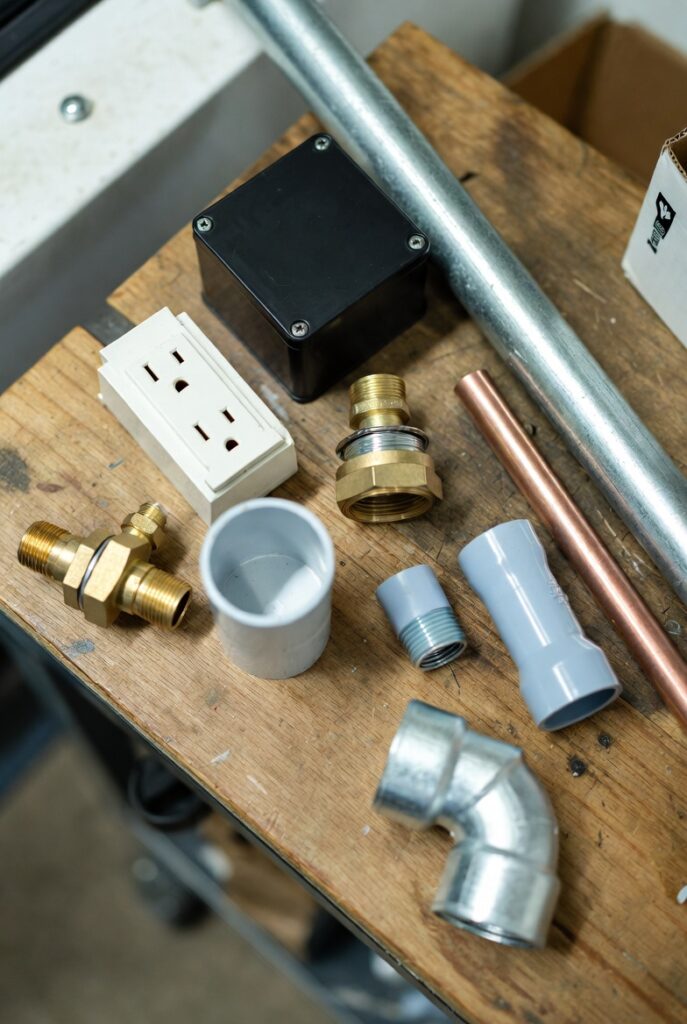
5. Electrical and Plumbing
Wiring, switches, pipes, and drainage systems are installed inside walls and floors.
6. Plastering and Flooring
Walls are plastered, and floors are finished using tiles, marble, wood, or other materials.
7. Painting and Finishing
Final painting, doors, windows, kitchen cabinets, and fixtures are installed.
Materials Used in Residential Construction
Choosing the right materials affects quality, cost, and durability. Common materials include:
- Cement and concrete for structure
- Bricks or blocks for walls
- Steel for reinforcement
- Wood for doors, cabinets, and furniture
- Tiles, marble, or vinyl for flooring
- Paint and polish for finishing
Always choose good-quality materials to avoid repair costs later.
Residential Construction Costs
The cost of building a home depends on:
- Size of the house
- Design complexity
- Material quality
- Labor rates
- Location
A simple house costs less than a luxury home. Extra features like large windows, smart systems, and designer interiors increase the budget.
To control costs:
- Make a detailed budget
- Avoid frequent design changes
- Compare material prices
- Hire experienced contractors
Choosing the Right Residential Contractor
A good contractor makes construction smooth and stress-free. When choosing a contractor:
- Check past projects
- Ask for licenses and registration
- Read client reviews
- Compare multiple quotes
- Sign a clear contract
A reliable contractor follows timelines, manages workers, and maintains quality.
Timeline of Residential Construction
A typical home can take:
- Small house: 4 to 6 months
- Medium house: 6 to 9 months
- Large or luxury home: 9 to 12 months or more
Delays can happen due to weather, material shortages, or design changes.
Common Mistakes to Avoid
Many people make mistakes that increase costs and stress:
- Starting without a proper plan
- Underestimating the budget
- Hiring cheap but unskilled labor
- Ignoring legal approvals
- Using low-quality materials
Avoiding these mistakes saves time and money.
Benefits of Residential Construction
Building your own home has many advantages:
- You design it your way
- Better quality control
- Long-term value
- Comfortable living space
- Pride of ownership
A well-built home gives safety and peace of mind for many years.
Final Thoughts
Residential construction is a big journey that needs careful planning, the right team, and smart decisions. From choosing land to final finishing, every step matters. When you understand the process, costs, and materials, you can build a home that fits your needs and budget.
With proper planning and professional support, residential construction becomes a smooth and rewarding experience, helping you turn your dream home into reality.