
Demolition estimating services help contractors, builders, and property owners understand how much it will cost to remove structures safely and legally. Whether it is a small house, a commercial building, or an industrial site, correct cost estimation avoids budget problems and delays.
This guide explains demolition estimating services in detail and compares methods, tools, and service types so you can choose the best option.
What Are Demolition Estimating Services?
Demolition estimating services calculate the total cost of tearing down a structure. This includes labor, machinery, permits, waste removal, safety measures, and environmental handling. A good estimate also considers risks like asbestos, nearby buildings, and site conditions.
Accurate demolition estimates protect you from surprise expenses.
Key Factors in Demolition Cost
Several things affect demolition pricing:
- Size and height of the building
- Material type (wood, steel, concrete)
- Location and access
- Waste disposal rules
- Hazardous materials
- Permit and inspection fees
Bigger and complex buildings cost more to demolish.
Types of Demolition Projects Compared
Residential Demolition
Small homes, garages, and sheds.
Lower cost and simpler process.
Commercial Demolition
Shops, offices, schools.
Needs heavy machines and more planning.
Industrial Demolition
Factories, plants, warehouses.
Highest cost due to size and safety needs.
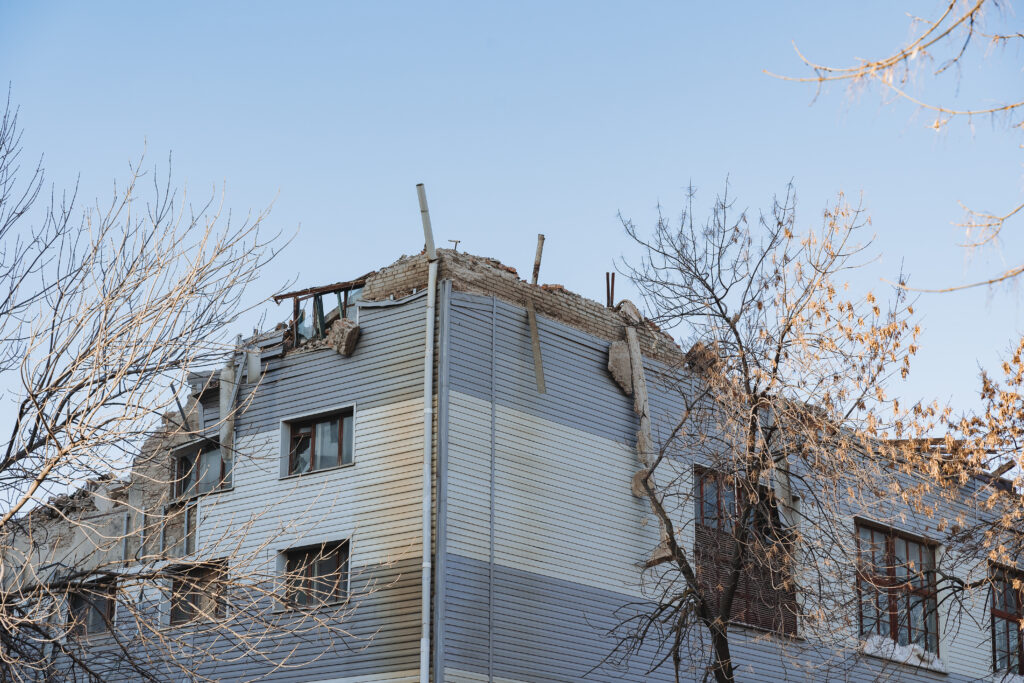
Demolition Methods Comparison
Mechanical Demolition
Uses excavators, bulldozers, and cranes.
Fast and cost-effective for large buildings.
Manual Demolition
Workers use tools to remove parts by hand.
Best for tight spaces and partial demolition.
Implosion Demolition
Uses explosives to collapse structures.
Used only for large, special projects.
Manual vs Software-Based Estimating
Manual Estimating
Based on experience and site visit.
Good for small jobs but less precise.
Software Estimating
Uses digital drawings and cost databases.
More accurate and faster for big projects.
In-House vs Outsourced Estimating
| Type | Cost | Accuracy | Best For |
| In-House | High setup | Depends on skill | Big companies |
| Outsourced | Affordable | High | Small & medium firms |
Outsourcing saves time and money.
What a Good Estimate Includes
- Labor hours
- Equipment rental
- Fuel and transport
- Waste disposal
- Permit fees
- Safety measures
- Contingency budget
Missing any of these can cause losses.
Demolition Estimating vs Construction Estimating
Demolition estimating focuses on removal, waste, and safety.
Construction estimating focuses on materials, labor, and building.
Both need different skills and tools.
Common Estimating Mistakes
- Ignoring hazardous materials
- Underestimating waste volume
- Not checking local rules
- No backup budget
- Poor site inspection
These mistakes increase final cost.
How to Choose the Right Demolition Estimating Service
Look for:
- Experience in similar projects
- Clear and detailed reports
- Knowledge of local laws
- Use of modern software
- Good client reviews
A professional estimator saves money long-term.
FAQs – Demolition Estimating Services
- What is included in demolition estimating services?
Labor, equipment, permits, disposal, and safety costs.
- How long does it take to prepare an estimate?
Usually 1 to 3 working days.
- Are demolition estimates accurate?
Professional services give high accuracy when site data is correct.
- Is asbestos removal included?
Sometimes, but often priced separately.
- Can I get estimates without site visit?
Yes, but site visits improve accuracy.
- Are software estimates better than manual ones?
Yes, for large and complex projects.
Final Thoughts
Demolition estimating services are essential for safe and budget-friendly projects. By comparing methods, tools, and service options, you can select the right approach for your project. Accurate estimates prevent delays, reduce risks, and help you complete demolition work smoothly and legally.