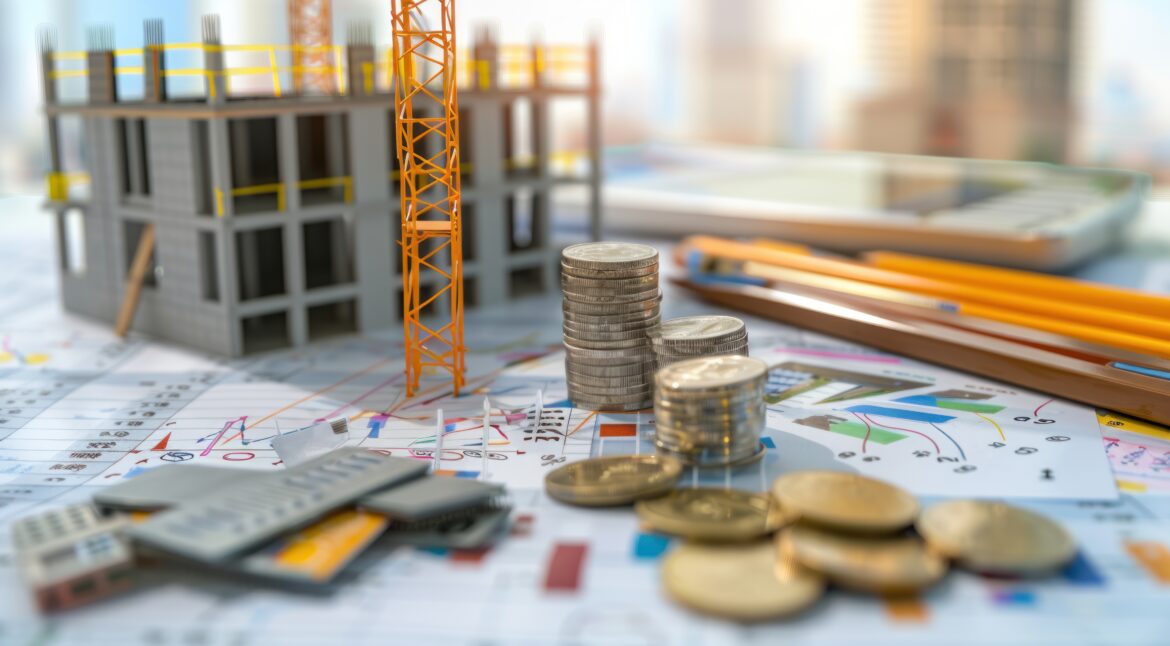
Construction cost management is one of the most critical aspects of successful project delivery. Whether the project is residential, commercial, or infrastructure-based, controlling costs ensures profitability, timely completion, and client satisfaction. Without proper cost control, even well-planned projects can face delays, budget overruns, and financial losses.
Modern construction projects involve complex materials, labor costs, subcontractor payments, and design changes. This makes cost management not just a financial task, but a strategic process that runs throughout the project lifecycle.
Why Construction Cost Management Matters
Effective construction cost management helps contractors and project managers plan, monitor, and control expenses from start to finish. It ensures that budgets are realistic, resources are used efficiently, and unexpected costs are minimized.
Key benefits include:
- Better budget forecasting
- Reduced material waste
- Improved decision-making
- Accurate cost tracking
- Higher profit margins
Projects that lack proper cost management often struggle with overspending due to poor estimates, untracked changes, or inefficient procurement.
Traditional vs Modern Cost Management Approaches
Traditionally, construction cost management relied on spreadsheets, manual calculations, and paper-based reporting. While this method worked for smaller projects, it often caused errors, data duplication, and slow updates.
Modern projects now depend heavily on construction cost management software, which allows real-time tracking of budgets, costs, and variations. These systems provide better visibility into expenses and help teams respond quickly to financial risks.
Compared to traditional methods, modern tools offer:
- Automated cost updates
- Centralized financial data
- Real-time reporting
- Improved collaboration
- Reduced human error
This shift has made cost management more proactive rather than reactive.
Key Elements of Construction Cost Management
1. Cost Estimation
Accurate cost estimation forms the foundation of cost management. It includes material costs, labor, equipment, and overheads. Poor estimates often lead to budget overruns later in the project.
2. Budget Planning
Once estimates are finalized, a detailed budget is created. This budget acts as a financial roadmap and helps track spending throughout the project.
3. Cost Monitoring
Continuous monitoring ensures that actual expenses align with planned budgets. Any deviation can be identified early and corrected before it escalates.
4. Change Management
Design changes and scope variations are common in construction. Effective cost management accounts for these changes without disrupting the overall budget.
Role of Construction Cost Management Software
Construction cost management software has transformed how projects handle finances. These tools integrate estimation, budgeting, and cost tracking into a single platform. They help teams analyze financial performance and forecast future costs more accurately.
Key advantages include:
- Real-time cost visibility
- Automated reports
- Improved accuracy
- Faster approvals
- Better financial control
Compared to manual systems, software-based solutions provide scalability and consistency, especially for large and complex projects.
Improving Project Outcomes Through Cost Control
Strong construction cost management leads to improved project outcomes. Projects stay within budget, risks are reduced, and stakeholders gain confidence in financial planning. Teams can also make data-driven decisions instead of relying on assumptions.
By combining accurate planning with digital tools, construction firms can remain competitive and deliver projects more efficiently.
FAQs
What is construction cost management?
Construction cost management is the process of estimating, planning, monitoring, and controlling project costs throughout the construction lifecycle.
Why is construction cost management important?
It helps prevent budget overruns, reduces waste, improves financial transparency, and ensures project profitability.
How does construction cost management software help?
It provides real-time cost tracking, automated reporting, and better financial control compared to manual methods.
Can small projects benefit from cost management?
Yes, even small projects benefit from structured cost control by avoiding unnecessary expenses and improving planning accuracy.
Final Thoughts
Construction cost management is no longer optional in today’s competitive construction industry. With rising material costs and complex project requirements, effective cost control is essential for long-term success. By combining accurate planning, continuous monitoring, and modern construction cost management software, businesses can achieve better financial stability and deliver projects with confidence.