
Accurate cost estimation is one of the biggest challenges in construction projects. A small miscalculation can lead to budget overruns, delays, or reduced profit margins. That’s why modern estimating tools have become essential for contractors who want better control over costs and project planning.
Unlike traditional manual calculations, today’s estimating tools use structured data, material databases, and automated calculations to deliver faster and more reliable estimates.
Why Estimating Tools Matter in Construction
Construction projects involve multiple cost factors such as materials, labor, equipment, and overheads. Manual estimating methods often rely on assumptions, which increases the risk of errors.
Modern construction cost estimating tools help contractors:
- Improve accuracy in cost calculations
- Reduce time spent on manual estimates
- Minimize human errors
- Create consistent and repeatable estimates
This makes estimating tools especially valuable for contractors handling multiple or complex projects.
Estimating Tools vs Traditional Cost Estimation Methods
Traditional estimating usually depends on spreadsheets, handwritten notes, or past experience. While experience is important, it can’t always account for changing material prices or labor rates.
On the other hand, estimating tools for contractors offer:
- Standardized cost breakdowns
- Updated material and labor data
- Faster revisions when project scope changes
- Better transparency for clients
Compared to older methods, estimating tools provide a more structured and dependable approach to cost planning.
Key Features Contractors Look for in Estimating Tools
Not all estimating tools are the same. Contractors usually prefer tools that offer flexibility and clarity.
Common features include:
- Detailed material and labor takeoffs
- Easy cost adjustments
- Clear cost summaries
- Support for different project types
These features help contractors prepare estimates that are not only accurate but also easy to understand for stakeholders.
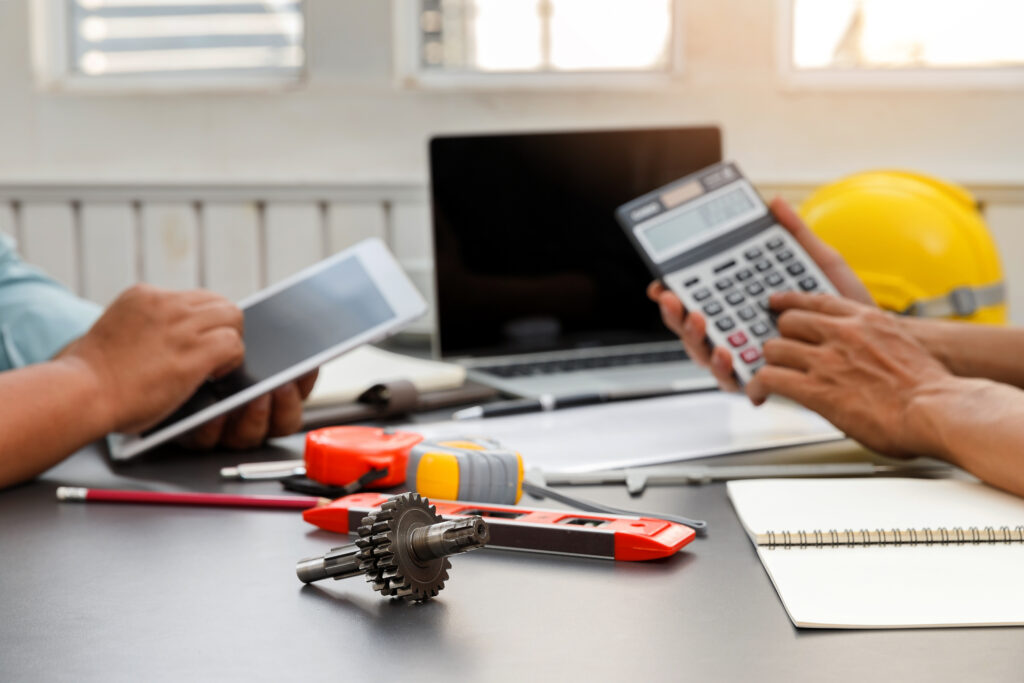
How Estimating Tools Support Better Decision-Making
Reliable cost estimates enable contractors to stay competitive in bidding while maintaining healthy profits. With reliable construction cost estimating tools, contractors can compare multiple scenarios and choose the most cost-effective approach.
This leads to:
- Better budgeting decisions
- Improved project scheduling
- Stronger client trust
- Higher profit margins
Estimating tools turn cost estimation into a strategic advantage rather than a guessing game.
FAQs
What are estimating tools used for?
Estimating tools are used to calculate project costs accurately, including materials, labor, and overheads, helping contractors plan budgets effectively.
Are estimating tools suitable for small contractors?
Yes, estimating tools are useful for both small and large contractors as they reduce errors and save time regardless of project size.
How do estimating tools improve accuracy?
They use structured data and automated calculations, reducing manual mistakes and ensuring consistent cost estimates.
Can estimating tools replace manual estimation completely?
They don’t replace experience but enhance it by providing data-driven insights and faster calculations.
Final Thoughts
In today’s competitive construction industry, relying on outdated estimation methods can be risky. Modern estimating tools for contractors offer a smarter, faster, and more accurate way to manage project costs.
By using reliable construction cost estimating tools, contractors can improve efficiency, reduce financial risks, and deliver projects with greater confidence and control.